
Originally Posted on The Coaching Tools Company as Coach FEATURE: Zsofia Juhasz, MCC
We continue to meet our fellow coaches, get inspired and build coach community with our “Meet the Coach” features! This month we meet Zsofia Juhasz MCC, an Executive and Leadership Coach based in Brisbane, Australia.
Interview with Zsofia
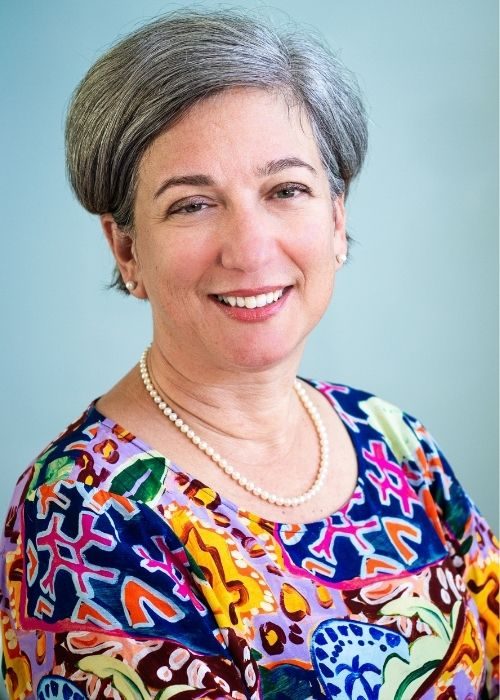
About Zsofia
Lives In: Brisbane, Australia
Originally From: Hungary
Company: Becoming a Masterful Coach / TA Coaching Team Pty Ltd.
Type of Coach: Executive and Leadership Coach
Describe your coaching business in one sentence: I help senior executives at Fortune 500 organizations to lead better — and I help coaches become masterful — through mentor coaching, coaching supervision, and my ICF Level 3 program that’s produced 10% of all MCC coaches in Australasia and 14 globally.
Meet Zsofia
For Zsofia Juhasz, coaching is about possibilities.
Originally from Hungary and now based in Brisbane, Australia, Zsofia is a Master Certified Coach (MCC) who works with senior executives and supports experienced coaches on their journey towards mastery.
In a recent conversation with Dr Steve Jeffs, Zsofia shared what she loves most about coaching: its ability to expand human potential by helping people become more aware of who they are, how they show up, and the influence they have on others.
Her approach places particular importance on self-awareness, the energy leaders bring to their roles, and the space coaching creates for people to explore who they are becoming.
Coaching Opens Up Possibilities
When asked what she loves most about coaching, Zsofia’s answer centred on one word: possibilities.
For her, coaching creates opportunities for people to expand their awareness, explore their potential, and develop a deeper understanding of themselves.
This goes beyond what a client does or the goals they want to achieve. Zsofia is interested in who the client is being, the mindset and energy they bring, and how these qualities influence their leadership and their lives.
She recognises that how someone shows up as a leader is connected to how they live and relate to others outside work.
Through coaching, clients can become more aware of these connections and explore what might be possible for them.
Supporting Leaders Through Transition
Zsofia particularly enjoys working with senior and experienced leaders who are moving into something new.
This might involve a director stepping into a more senior position, a vice president taking on different responsibilities, or a chief operating officer becoming a chief executive officer.
For Zsofia, an important part of the coaching conversation is exploring who the leader is becoming and how they may need to show up differently in their new role.
She believes that leaders at this level often already understand what they need to do. The opportunity lies in exploring how they approach their responsibilities, relationships, and leadership.
Although she particularly enjoys working with mature and self-aware leaders, Zsofia has also worked with younger, first-time managers who have been open to this deeper exploration.
What matters is not simply someone’s seniority, but their willingness to explore themselves and consider new ways of being.
The Energy Leaders Bring to Their Work
One example Zsofia shared illustrates how a shift in awareness can influence leadership.
During a recent Hogan assessment debrief, a client recognised that he needed to pay more attention to his energy at work.
Before their 90-minute conversation, he had not considered how the way he showed up, including factors such as what he ate and how he slept, could affect the people he led.
For Zsofia, this was a significant moment.
The client had developed a new awareness of something that could influence not only his own experience at work, but also the many people who reported to him.
It highlighted an important aspect of her approach: leadership development is not always about acquiring another framework or learning another skill.
Sometimes, the most valuable development comes from recognising something about ourselves that we had not previously considered.
Books That Have Influenced Her Coaching
Zsofia’s reading reflects her interest in both leadership and the continuing development of coaching mastery.
One book she regularly recommends to leadership clients is Conscious Business by Fred Kofman.
She described finding it fascinating when she first read it several years ago, and it remains a book she recommends.
Her more recent reading has focused on the journey towards Master Certified Coach level, particularly as she works with experienced coaches developing their skills.
Among the books she mentioned are:
- Conscious Business by Fred Kofman
- Mastery by George Leonard
- The Transformational Coach by Claire Norman
Zsofia explained that her reading interests change depending on what is emerging in her own development or in the work she is doing with students.
Rather than having one permanent favourite, she is drawn to books that connect with the questions and learning opportunities in front of her.
From Coaching Questions to Coaching Mastery
Zsofia has been familiar with The Coaching Tools Company for many years, having first used its resources earlier in her coaching career.
Coming from a corporate background, she found value in icebreaker activities, leadership development resources, and collections of coaching questions.
One resource she particularly remembered was the collection of 549 coaching questions.
When Zsofia moved from Hungary to Australia, she faced the additional challenge of coaching in English rather than her first language.
Although she had learned coaching questions in Hungarian, translating them naturally during a live coaching conversation was not always straightforward.
Having access to a collection of questions in English provided valuable support during that stage of her development.
As her experience grew, however, her relationship with coaching tools evolved.
Today, as an MCC, one of the tools she finds most useful is not a complex framework or assessment, but a simple acronym that reminds her to create more space for the client.
WAIT: Why Am I Talking?
One of Zsofia’s favourite coaching reminders is WAIT, which stands for:
Why Am I Talking?
Even as an experienced Master Certified Coach, she recognises that there are moments when she may be talking more than necessary.
The acronym helps her pause and consider whether speaking is genuinely serving the client.
She sometimes uses it to anchor herself before a coaching session, reminding herself to be more succinct and intentional in how she contributes.
When Steve asked what changes when she brings this reminder into her coaching, Zsofia identified several benefits: more spaciousness for the client, greater opportunities for reflection, fewer interruptions, and more patience on her part.
She also highlighted something coaches may recognise from their own practice.
Some clients pause briefly while thinking, then begin speaking again. If the coach fills that silence too quickly, they may interrupt an important part of the client’s thinking process.
For Zsofia, allowing that space is essential.
The reminder is simple, but its purpose is significant: keeping the focus on the client and giving them the opportunity to continue exploring their own thoughts.
Supporting Coaches on the Journey Towards MCC
Alongside her leadership and executive coaching, Zsofia is actively involved in developing other coaches through mentor coaching, coaching supervision, and her ICF Level 3 program.
She co-developed the program and continues to run it with support from other mentors, helping experienced coaches progress towards MCC certification.
According to the information Zsofia provided, the program has produced 14 MCC coaches globally, representing 10% of all MCC coaches in Australasia.
This work holds personal significance for Zsofia.
When she moved to Australia nearly 15 years ago, she was not yet an Associate Certified Coach (ACC), and English was not her first language.
Her journey from that starting point to becoming an MCC and supporting other coaches towards the same level of mastery is something she feels proud of.
It also reflects her ongoing interest in what it means to develop as a coach, beyond simply learning which questions to ask.
In Conclusion: Creating Space for Possibility
Zsofia Juhasz’s approach reminds us that coaching is not always about giving clients more tools, frameworks, or answers.
Sometimes, the most valuable work happens when people have the space to become more aware of who they are, how they show up, and who they are becoming.
Whether she is supporting a senior leader through a transition or mentoring an experienced coach towards MCC, Zsofia places importance on self-awareness, reflection, and the possibilities that emerge through deeper exploration.
And her reminder to fellow coaches is a useful one: sometimes, creating more space for the client begins with asking ourselves a simple question.
Why am I talking?
 |
LEARN MORE about Zsofia here:Visit Zsofia’s Website here >> |