
Originally Posted on The Coaching Tools Company as The Career Coaching Framework: Six Moves From Stuck to a Clear Next Step
CAREER COACHING TOOLKIT — CONTENT ARTICLE PAGE (v6)
The Coaching Tools Company
Paste this whole block into an Elementor HTML widget.
v6 CHANGE: content now sits on a WHITE CARD so it lifts off
the light-blue theme background (fixes the two-blues look).
Palette swapped to TCTC green + orange, with navy kept only
for the executive block to match the site header.
BRAND COLOURS: the green, orange, and navy below are
APPROXIMATE, read off your screenshot, not exact brand hex.
Replace the values in the five variables at the top of
with TCTC’s exact brand codes.
If a thin border shows around this block on the live page,
it is the Elementor section or column border. Remove the
border on that section/column in Elementor.
SALE: two marked blocks, the hero line and the “SALE OVERRIDE”
box. Delete both after July 12.
PANEL: present but HIDDEN. Remove style=”display:none” and fill
the [BRACKETS] to make it live.
VERIFIED FACTS: regular $59.00, Fireworks $41.30 (30% off auto
at checkout, no coupon), ends July 12, 10 items, brandable
Word docs, ICF Business Partner, 30-day guarantee.
============================================================ –>
#cct-career {
/* —- TCTC brand colours (APPROXIMATE, replace with exact hex) —- */
–cct-primary: #5E8C2A; /* green, structural accents */
–cct-accent: #DD7A15; /* orange, buttons and sale */
–cct-navy: #1B2A5E; /* navy, executive block (matches header) */
–cct-dark: #24303A; /* headings */
–cct-text: #33434B;
–cct-light: #F4F7F2; /* pale surface for question boxes */
–cct-cream: #FBF9F5; /* offer box */
–cct-border: #E4E9E4;
max-width: 880px;
margin: 24px auto;
padding: 26px 34px 36px;
background: #ffffff; /* white card lifts off the blue theme */
border-radius: 16px;
box-shadow: 0 6px 28px rgba(20,30,60,.12);
color: var(–cct-text);
font-family: -apple-system, BlinkMacSystemFont, “Segoe UI”, Roboto, Helvetica, Arial, sans-serif;
line-height: 1.7; font-size: 17px;
}
#cct-career * { box-sizing: border-box; }
#cct-career h1, #cct-career h2, #cct-career h3, #cct-career h4 { color: var(–cct-dark); line-height: 1.3; margin: 0 0 12px; font-weight: 700; }
#cct-career h1 { font-size: 2rem; }
#cct-career h2 { font-size: 1.5rem; margin-top: 10px; }
#cct-career h3 { font-size: 1.2rem; }
#cct-career h4 { font-size: .9rem; text-transform: uppercase; letter-spacing: .5px; color: var(–cct-primary); margin-bottom: 6px; margin-top: 14px; }
#cct-career p { margin: 0 0 16px; }
#cct-career .cct-lead { font-size: 1.14rem; }
#cct-career .cct-btn { display: inline-block; background: var(–cct-accent); color: #fff !important; text-decoration: none; font-weight: 700; font-size: 1.05rem; padding: 15px 30px; border-radius: 10px; transition: transform .12s ease, box-shadow .12s ease; box-shadow: 0 6px 16px rgba(221,122,21,.30); }
#cct-career .cct-btn:hover { transform: translateY(-2px); box-shadow: 0 9px 22px rgba(221,122,21,.38); }
#cct-career .cct-btn-soft { display: inline-block; background: transparent; color: var(–cct-accent) !important; text-decoration: none; font-weight: 700; border: 2px solid var(–cct-accent); padding: 12px 26px; border-radius: 10px; }
#cct-career .cct-hero { padding: 8px 0 22px; text-align: center; border-bottom: 1px solid var(–cct-border); }
#cct-career .cct-hero .cct-sub { max-width: 700px; margin: 0 auto 18px; font-size: 1.12rem; }
#cct-career .cct-saleline { font-size: .95rem; color: var(–cct-accent); font-weight: 700; margin-top: 14px; }
#cct-career .cct-section { padding: 26px 0; border-bottom: 1px solid var(–cct-border); }
#cct-career .cct-section:last-of-type { border-bottom: none; }
#cct-career .cct-move { margin-bottom: 30px; }
#cct-career .cct-move > h3 { color: var(–cct-dark); border-bottom: 2px solid var(–cct-primary); padding-bottom: 8px; }
#cct-career .cct-ques { background: var(–cct-light); border-radius: 10px; padding: 14px 18px 14px 20px; margin: 6px 0 14px; }
#cct-career .cct-ques ul { margin: 0; padding-left: 18px; }
#cct-career .cct-ques li { margin-bottom: 8px; font-style: italic; }
#cct-career .cct-toolline { font-size: .95rem; border-left: 4px solid var(–cct-accent); padding-left: 14px; margin: 0; }
#cct-career .cct-toolline strong { color: var(–cct-dark); }
#cct-career .cct-exec { background: var(–cct-navy); color: #EAEEF6; border-radius: 14px; padding: 24px 22px; margin: 8px 0; }
#cct-career .cct-exec h2, #cct-career .cct-exec h3 { color: #fff; }
#cct-career .cct-exec h3 { font-size: 1.05rem; margin-bottom: 4px; margin-top: 16px; }
#cct-career .cct-exec p { margin: 0 0 14px; }
#cct-career .cct-exec .cct-wheel { background: rgba(255,255,255,.10); border-radius: 10px; padding: 14px 16px; margin-top: 6px; }
#cct-career .cct-exec .cct-wheel span { display: inline-block; background: rgba(255,255,255,.14); border-radius: 20px; padding: 5px 12px; margin: 4px 4px 0 0; font-size: .88rem; }
#cct-career .cct-mistakes { list-style: none; padding: 0; margin: 0; }
#cct-career .cct-mistakes li { padding: 10px 0 10px 30px; position: relative; border-bottom: 1px solid var(–cct-border); }
#cct-career .cct-mistakes li:before { content: “2192”; color: var(–cct-accent); position: absolute; left: 0; top: 10px; font-weight: 700; }
#cct-career .cct-grid { display: grid; grid-template-columns: repeat(auto-fit, minmax(140px, 1fr)); gap: 14px; margin-top: 18px; }
#cct-career .cct-card { background: #fff; border: 1px solid var(–cct-border); border-radius: 12px; padding: 12px; text-align: center; }
#cct-career .cct-card img { width: 100%; height: auto; border-radius: 6px; margin-bottom: 8px; }
#cct-career .cct-card span { font-size: .9rem; font-weight: 600; color: var(–cct-dark); }
#cct-career .cct-trust { list-style: none; padding: 0; margin: 0; }
#cct-career .cct-trust li { padding: 10px 0 10px 30px; position: relative; border-bottom: 1px solid var(–cct-border); }
#cct-career .cct-trust li:before { content: “2714”; color: var(–cct-primary); position: absolute; left: 0; top: 10px; font-weight: 700; }
#cct-career .cct-offer { text-align: center; background: var(–cct-cream); border: 2px solid var(–cct-primary); border-radius: 16px; padding: 30px 22px; margin: 26px 0; }
#cct-career .cct-offer .cct-reg { font-size: 1.4rem; color: var(–cct-dark); font-weight: 700; }
#cct-career .cct-saleoverride { background: #fff; border: 2px dashed var(–cct-accent); border-radius: 12px; padding: 16px 18px; margin: 16px auto; max-width: 460px; }
#cct-career .cct-saleoverride .cct-old { text-decoration: line-through; opacity: .6; margin-right: 8px; }
#cct-career .cct-saleoverride .cct-new { color: var(–cct-accent); font-weight: 700; font-size: 1.5rem; }
#cct-career .cct-saleoverride .cct-ends { font-weight: 700; color: var(–cct-dark); margin: 4px 0 0; }
#cct-career .cct-guarantee { font-size: .95rem; text-align: center; margin-top: 12px; }
#cct-career .cct-panel { background: var(–cct-navy); color: #fff; border-radius: 16px; padding: 28px 24px; margin: 26px 0; text-align: center; }
#cct-career .cct-panel h2 { color: #fff; }
#cct-career .cct-panel a { color: #fff; font-weight: 700; }
@media (max-width: 600px) {
#cct-career { font-size: 16px; padding: 18px 18px 26px; margin: 14px auto; }
#cct-career h1 { font-size: 1.6rem; }
#cct-career .cct-btn, #cct-career .cct-btn-soft { display: block; width: 100%; }
}
The Career Coaching Framework:
Six Moves From Stuck to a Clear Next Step
–>
A practical guide for coaching career and executive clients, with the questions to ask at each stage. Read it in full. If you want to get each exercise in a ready to use format, the Career Coaching Toolkit gives you the done-for-you version.
Fireworks Sale on now: the toolkit is 30% off until July 12.
Career coaching is a powerful and exciting way to help clients gain clarity and focus on waht they want to create in their careers. Some clients arrive with a clear vision of what they want, others with clarity only of what they don’t want. Most frequently, they arrive stuck. Successful on paper, and quietly unsure of the path that is theirs.
Some feel unhappy in a role they worked hard to reach. Some want a promotion with no idea how to close the gap from where they are. Others sense they are in the wrong career and cannot name why. In each case the reflex is the same: work harder, chase a title, redo the CV. As career coaches, we know that none of these approaches fix a structural problem.
Your job is to move the client from reactive effort to a plan they choose. The sequence below does that in six clear moves. Each move has a purpose, a shape for the session, questions you would ask, and the toolkit exercise that has been specifically built for it. The order matters, so read them in sequence. It is the same order we recommend in the toolkit user guide.
The Six Moves
1. Start with values, not titles
Why it matters
Career unhappiness is usually a misalignment of values, rather than simply doin the wrong task or role. When a client’s daily work contradicts what drives them, a promotion only raises the stakes on the wrong things. Start here or every later step rests on nothing.
In the session
Move the client from a vague “I want something different” to a ranked list of what matters. Autonomy, creativity, security, impact, recognition. Whatever their values are, you can help them name the top ten, then rank them. This list brings an energetic insight and becomes a powerful filter for the next decisions.
Questions to ask
- When work has felt right, what was present that mattered to you?
- When it felt wrong, what was missing?
- If the title stayed the same but one thing changed, what would make the biggest difference?
Toolkit exercises: Career Values Identification Workbook and the Career Discovery Pondering Questions Sheet.
2. Manage weaknesses, do not fix them
Why it matters
Trying to repair every flaw wears down perfectionist and self-critical clients. The stronger frame is management, not repair. A weakness becomes a variable to handle, which protects confidence and gives the client a plan instead of a list of apologies at their next review.
In the session
Pick the one or two weaknesses with real cost, and separate them from the ones that only irritate. Then choose a strategy for each: delegate it, reduce the time it takes, add a support around it, or move to a role where it matters less.
Questions to ask
- Which weakness costs you the most, and which one only annoys you?
- Who around you does this easily?
- If you spent less time here, where would that energy go?
Toolkit exercise: Weakness Zapper, five strategies to neutralise a weakness.
3. Reclaim power without quitting
Why it matters
Many clients believe the only way to feel better is to leave. Often the faster win is to change their experience inside the role they hold now, from a position of strength. This also surfaces buried interests and hidden talents the daily grind has covered.
In the session
Separate what the client enjoys from what drains them, then find three concrete actions they take in the current job. A task to hand off, a strength to use more, a request to make. Small, specific, this month.
Questions to ask
- What do you enjoy here that you have stopped noticing?
- What drains you that you could reduce or hand off?
- What is one change you could ask for in the next month?
Toolkit exercise: Reclaim Your Power at Work, ending in three actionable steps.
4. Turn vague ambition into a skills plan
Why it matters
“Get to the next level” drains energy while it stays vague. The client worries about everything and moves on nothing. Naming the specific skills the target role needs turns anxiety into a short, workable list.
In the session
Identify the eight core skills the next role asks for. Score each against the level the role needs. The wheel shows the gaps at a glance. Pick the two or three where progress changes how ready the client looks, and build a plan for those.
Questions to ask
- What are the eight skills the next role really asks for?
- Which two, lifted by two points, would change how ready you appear?
- What project in your current role would let you practise that skill?
Toolkit exercise: the Career Development Wheel.
5. Use reflection, not the performance review
Why it matters
Clients update their CV for other people and rarely update their own self-knowledge. The most useful career data sits in reflection, not the annual review. Good questions surface buried hopes and the themes that repeat across a working life.
In the session
Slow the client down with a set of reflective prompts, in session or as homework. Look for the common threads across roles and projects. Those threads point to the next phase more reliably than any job description.
Questions to ask
- What did you want from your career before anyone told you what was realistic?
- What theme keeps showing up across your roles?
- What would you regret not trying?
Toolkit exercise: the Career Discovery Pondering Questions Sheet, 21 prompts built for this.
6. Add a 360 lens
Why it matters
Self-awareness is only half the picture. Every client has blind spots, strengths they take for granted and gaps they explain away. Outside input closes that gap and often produces the session’s biggest shift, when a client hears others value a talent they dismissed as “just something I do.”
In the session
Pair an internal read with an external one. Run a Personal SWOT, then gather simple feedback from a few colleagues. Compare the two. Ground the client’s goals in how they are actually seen, not only how they feel on a hard day.
Questions to ask
- What do people thank you for that you brush off?
- What feedback have you heard more than once and dismissed?
- Whose view of you would surprise you most, and why?
Toolkit exercises: Personal SWOT, Simple 360 Feedback, Boost Your Strengths, and 25 Powerful Questions to Identify Strengths.
Three mistakes to avoid with career clients
- Jumping to the job search before the client is clear on their values. The search stalls because the target is wrong.
- Coaching only strengths and skipping the honest feedback. The client feels good and changes nothing.
- Ending on insight with no action. Clarity fades in a week without a first step attached to it.
The same six moves scale to senior leadership
These are not only entry-level tools. Used with senior leaders, the same exercises run at higher stakes. Here is what changes when you coach an executive.
Values become a force multiplier
At the senior level, a values misalignment shows up as friction, burnout, and weak buy-in. The top ten values become the non-negotiable criteria a leader uses to weigh a board role, P&L ownership, and culture fit.
Weaknesses become strategic management points
A leader does not personally close every gap. They build a complementary team, add reporting oversight, or delegate. The SWOT reframes a weakness as a point to manage, not a flaw to repair.
Threats become opportunities
An industry threat becomes a repositioning. If AI disruption puts a traditional function at risk, the leader steps forward as the one who guides the organisation through the shift.
The wheel maps executive competencies
For a senior transition, the eight skills on the wheel often include:
Score each against the target role, then act on the lowest.
Reclaiming power means negotiating from strength
The leader audits high-value against low-value activities, then requests resources, a title change, or project ownership from a position of identified strength.
You can try to build exercises yourself, or start with them ready
Every move above is empowered by a worksheet, a set of questions, and a proven structure that the client can hold. Why write those from scratch for each client, when you can start with them done.
The Career Coaching Toolkit gives you ten ready-to-use items, in Word documents you brand as your own. A step-by-step user guide sets out the order to use them in, the same sequence you read here, and the tools flex from a first-time career client to a senior leader.
What is inside the toolkit
 Career Values Workbook
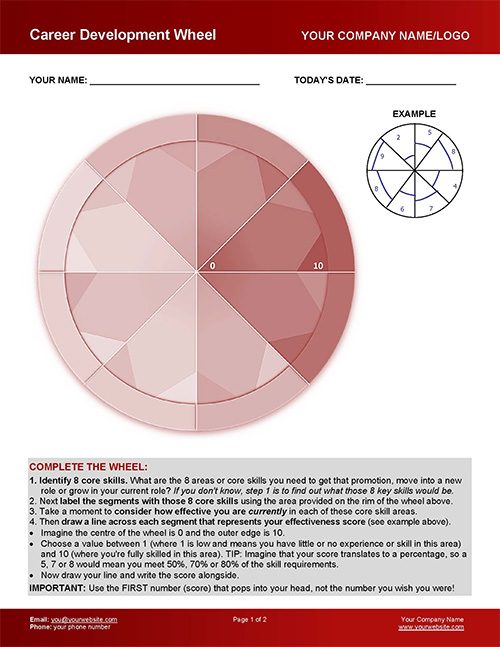 Career Development Wheel
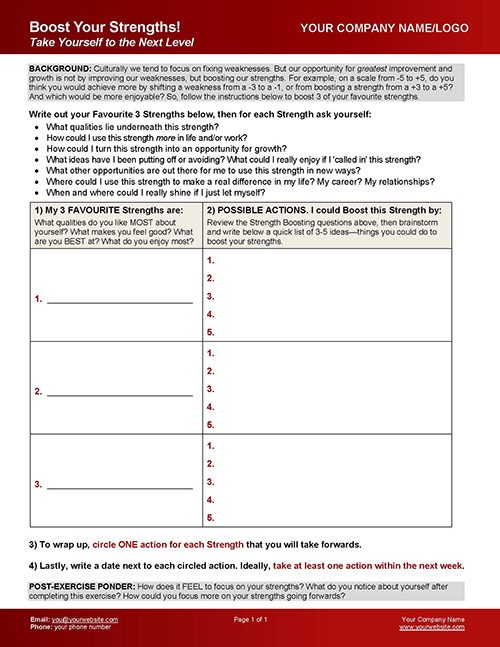 Boost Your Strengths
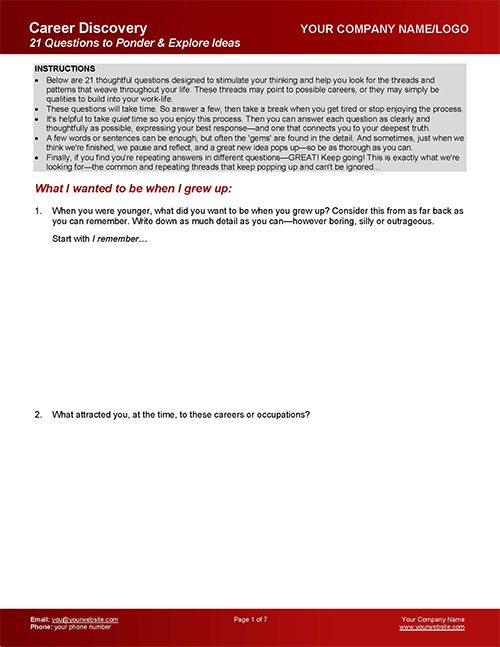 Career Discovery Questions
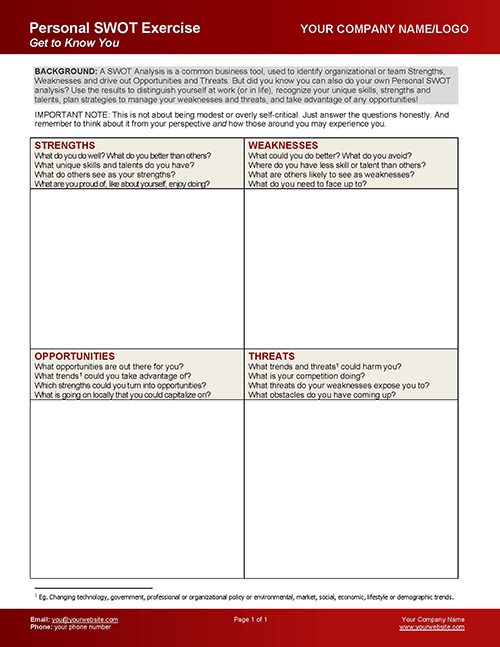 Personal SWOT
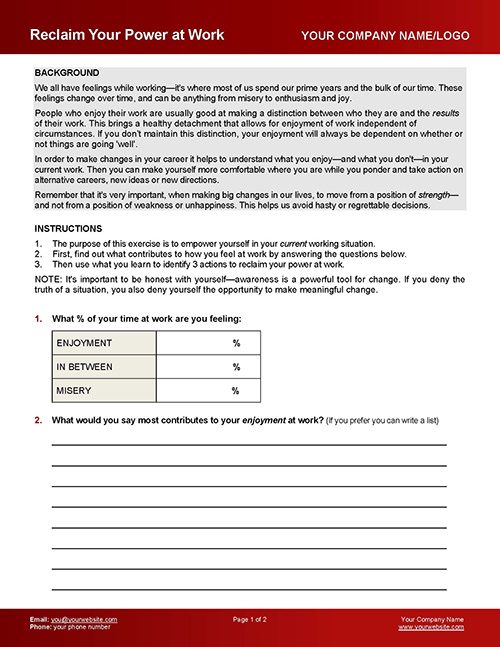 Reclaim Your Power at Work
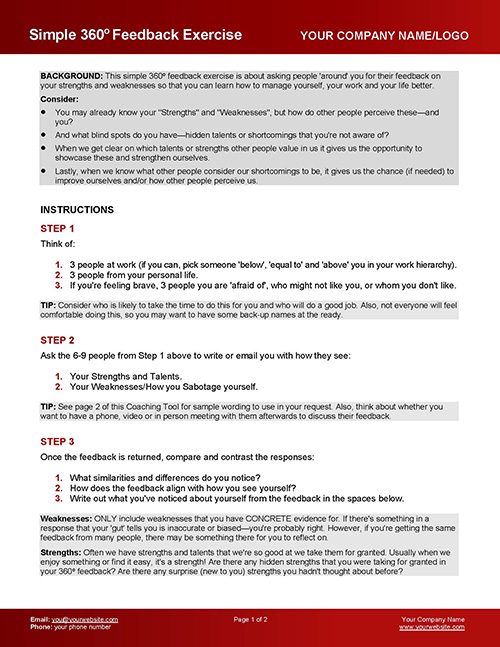 Simple 360 Feedback
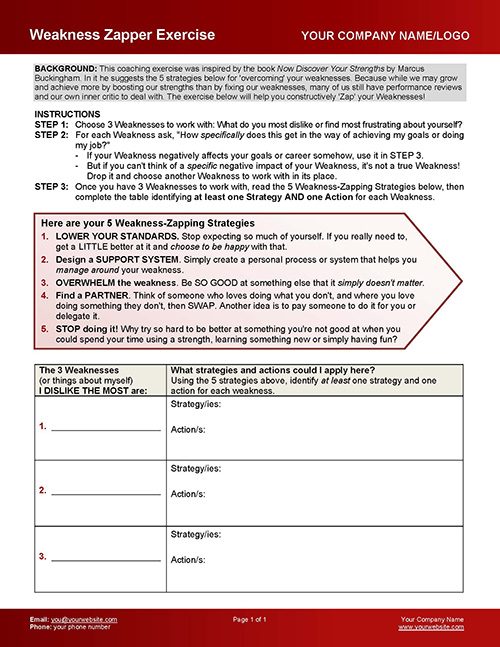 Weakness Zapper
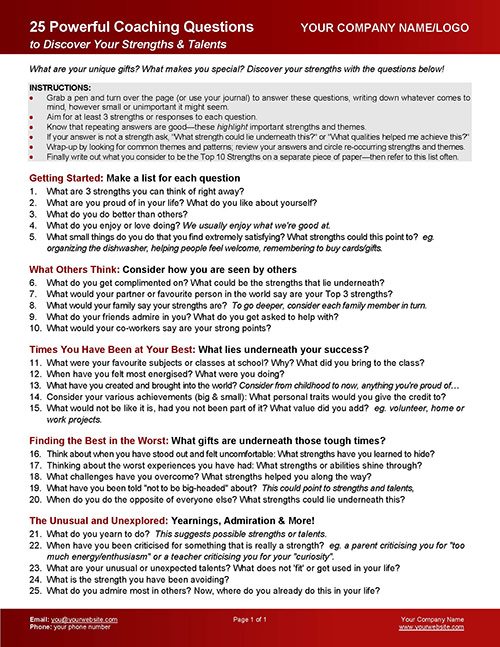 25 Powerful Questions
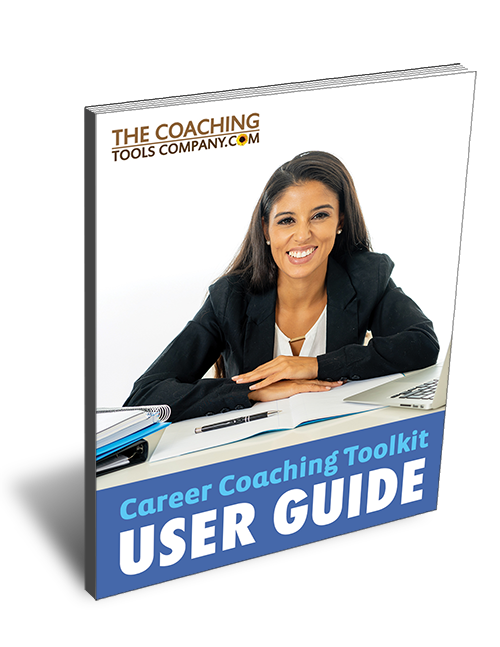 User Guide (PDF)
Ten items in total. Verify the list against the live product page before publishing.
Why coaches use it
- Brandable. The tools are Word documents you add your own logo and brand to. The user guide is a PDF.
- Done for you. No blank page. Proven exercises ready for your next session.
- Guided. A user guide tells you what each tool is for, when to use it, and in what order.
- Flexible. The same tools work with an early-career client and a senior leader.
- Trusted. The Coaching Tools Company is an ICF Business Partner.
- Low risk. 30-day money-back guarantee. Digital delivery is instant on payment.
From the ICW 2026 Career Coaching Panel to Your Next Session
At ICW 2026, our Career Coaching panel [PANEL TITLE] brought together [GUEST NAMES] to talk about [PANEL THEME].
This toolkit gives you the done-for-you tools to take those ideas straight into your sessions.
Get the Career Coaching Toolkit
$59.00
Fireworks Sale
$59.00$41.30
30% off, applied automatically at checkout. No coupon needed.
Ends July 12.
Add the Career Coaching Toolkit to Cart
30-day money-back guarantee · Instant digital delivery
Career clients come to every coach
The next time one sits down unsure of their path, from a first job move to a board seat, you want a clear sequence and the right exercise in your hand, not a blank page.